
When planning a concrete project, getting the right amount of concrete at the right time can make a big difference. Whether you’re pouring a driveway, foundation, footing, patio or commercial slab, concrete delivery needs to fit the requirements and schedule of the project.
One option is volumetric concrete delivery, where concrete is produced directly at the jobsite using a mobile volumetric concrete truck. But how does it work, and when can it be useful? Here’s what homeowners, contractors, and builders should know.
What Is Volumetric Concrete?
Volumetric concrete is concrete produced using a mobile volumetric concrete truck.
Unlike conventional ready-mix delivery, where concrete is typically batched before transportation, a volumetric truck carries the main concrete ingredients separately.
Depending on the equipment and required mix, these materials can include:
- Cementitious material
- Sand
- Stone or aggregate
- Water
- Selected admixtures
The materials are measured and combined by the truck at the jobsite. In simple terms, the truck works like a mobile concrete batching system.
How Does a Volumetric Concrete Truck Work?
A volumetric truck contains separate compartments for the materials used to produce concrete.
Once the truck arrives at the project location, the operator sets up the equipment and concrete production begins according to the required specifications.
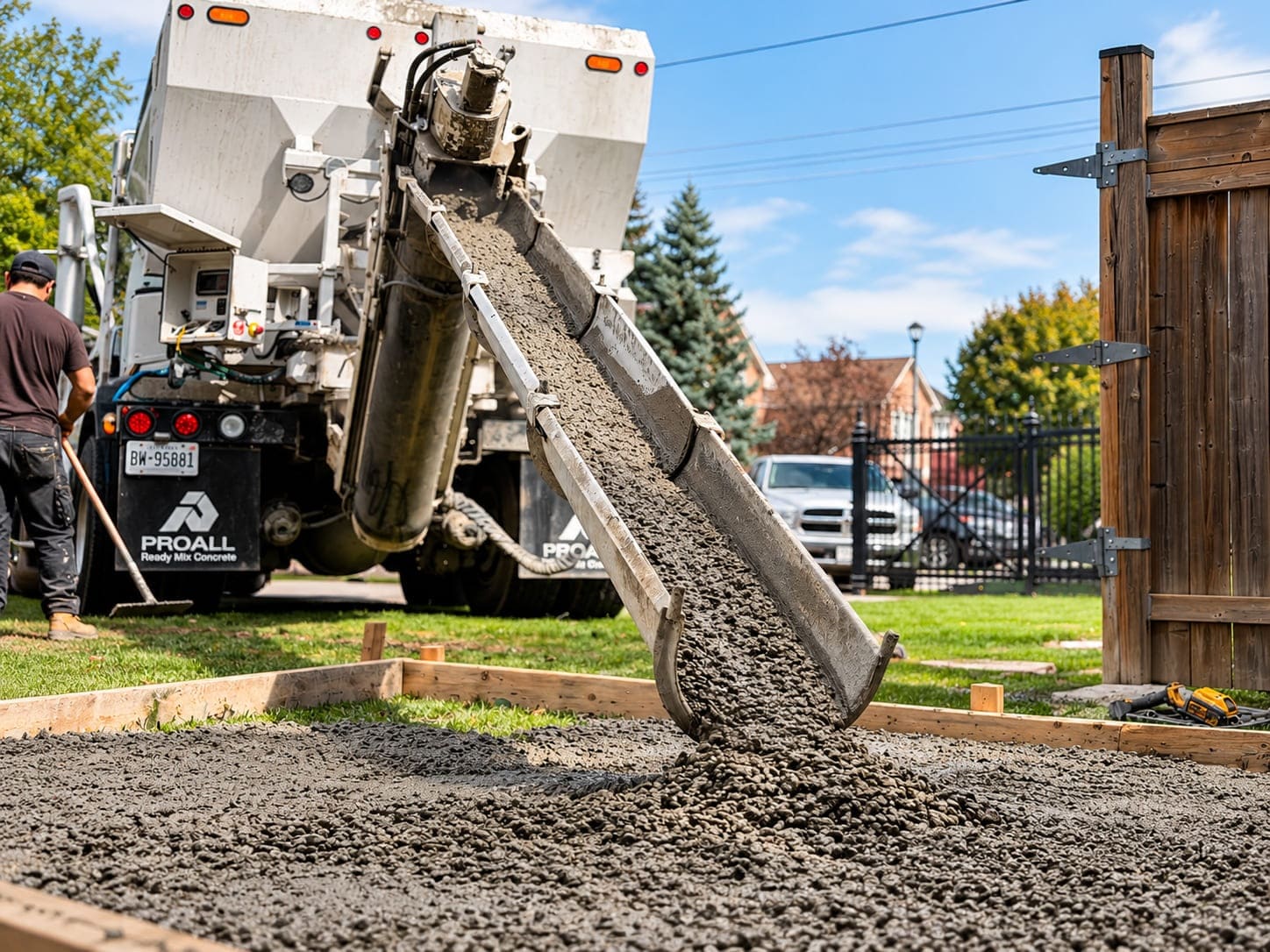
The materials are measured, combined and mixed before the fresh concrete is discharged through the truck’s chute.
This means the concrete is produced on-site when the project is ready for it.
Volumetric Concrete vs. Ready-Mix Concrete
Both methods can supply concrete for construction projects, but the production process is different.
| Comparison | Volumetric Concrete | Traditional Ready-Mix |
|---|---|---|
| Where it is batched | Primary ingredients are carried separately and mixed at the project location. | Concrete is generally batched at a plant before being loaded into a mixer truck. |
| At the jobsite | Materials are measured, combined and mixed before fresh concrete is discharged. | The already-batched concrete is transported to the jobsite. |
| Choosing a method | Consider project size, specifications, schedule, site access and required quantities. | The same project factors should guide the delivery choice. |
One method isn’t automatically the right choice for every project. Project size, specifications, scheduling, site access and required quantities should all be considered when selecting a concrete delivery method.
Why Choose Volumetric Concrete?
Fresh Concrete Mixed at the Jobsite
Because the concrete is produced at the project location, mixing can begin when the site and crew are ready for the pour.
Greater Quantity Flexibility
Estimating concrete requirements isn’t always exact. Site dimensions, excavation depths and real-world construction conditions can affect the final amount of concrete needed.
Volumetric equipment can provide greater flexibility because concrete is produced on-site, subject to the materials available on the truck and the requirements of the order.
Reduced Potential for Unnecessary Concrete
Ordering significantly more concrete than a project requires can result in leftover material. Producing concrete according to actual jobsite requirements can help reduce unnecessary excess and material waste.
Flexibility for Different Projects
Volumetric concrete can be useful across a variety of applications, from smaller residential work to larger construction projects. The appropriate mix and delivery approach will depend on the project’s specifications.
What Projects Can Use Volumetric Concrete?
Mobile volumetric concrete can be suitable for many types of concrete work, including:
Residential Projects
- Driveways
- Patios
- Walkways
- Sidewalks
- Garage floors
- Basement floors
- Foundations
- Footings
- Steps
- Home additions
Commercial Projects
- Commercial floors
- Foundations and footings
- Sidewalks
- Curbs
- Equipment pads
- Renovations
- Building additions
- Concrete repairs
Industrial & Infrastructure Projects
- Industrial floors
- Equipment foundations
- Utility work
- Trench work
- Road and concrete repairs
- Curbs and sidewalks
- Infrastructure improvements
Always confirm the required concrete specifications for your particular application before ordering.
How Much Concrete Do I Need?
Concrete quantity is normally calculated by volume and, in Canada, is commonly ordered in cubic metres (m³).
Length × Width × Thickness = Volume
For example, calculating a driveway requires accurate measurements of its length, width and required thickness.
Actual concrete requirements can vary because of uneven excavation, site conditions, spillage, waste and differences between planned and actual dimensions.
Using a concrete calculator can provide an initial estimate, but final quantities should be verified before placing an order.
What Should You Know Before Ordering Concrete?
Before contacting a concrete supplier, try to have the following information available:
- Project location
- Type of project
- Estimated concrete quantity
- Required concrete strength
- Mix specifications, if applicable
- Preferred delivery date and time
- Placement method
- Jobsite access information
- Any special project requirements
Providing accurate information can make the quoting and scheduling process much easier.
Preparing Your Jobsite for Concrete Delivery
Before your concrete truck arrives, make sure the site is ready for placement. Forms, reinforcement and base preparation should be completed where required. Workers and placement equipment should also be ready.
Pay particular attention to truck access.
Concrete trucks are large commercial vehicles, so narrow entrances, tight turns, overhead obstacles, soft ground or limited positioning space should be communicated before delivery.
Good preparation can help make the delivery and pour more efficient.
Is Volumetric Concrete Right for Your Project?
Volumetric concrete can be a practical option when you’re looking for fresh on-site concrete production, flexible quantities and convenient jobsite delivery.
The right solution ultimately depends on your project specifications, required quantity, location, access and construction schedule. Discussing these details before ordering can help determine the appropriate concrete delivery approach.